┌──────────────────────────────────────────────────────────────┐
  DOCUMENT ID ......... 45c6116d-33cc-4fae-b712-a027b651b392
  SLUG ................ /mkultra-university-institutional-disclosure-irb
  STATUS .............. ACTIVE
  OPENED .............. 2026-06-10 17:37 UTC
  LAST INVESTIGATED ... 2026-06-10 17:37 UTC
  CLAIMS ON FILE ...... 7
  MEAN TAG CONFIDENCE . 0.76
└──────────────────────────────────────────────────────────────┘
MKUltra University and Medical Institution Funding: Disclosure and Institutional Review
SUMMARY
Project MKUltra was a covert CIA behavioral modification research program operating from approximately 1950 to the early 1970s, involving LSD and other drugs administered to human subjects (Seymour Hersh, New York Times, 1975). The program was first publicly exposed in 1975 and subsequently investigated by the Senate Select Committee on Intelligence in 1977. A central question in the MKUltra narrative concerns which specific U.S. universities and medical institutions received CIA funding for research and whether institutional review boards (IRBs) or equivalent ethical oversight mechanisms were disclosed the true nature and funding source of the research at the time it was conducted. Declassified Senate hearing records from August 3, 1977 (https://www.intelligence.senate.gov/wp-content/uploads/2024/08/sites-default-files-hearings-95mkultra.pdf and https://info.publicintelligence.net/SSCI-MKULTRA-1977.pdf) document congressional investigation into the program. Princeton University maintains archival materials on MKUltra activities at that institution (https://universityarchives.princeton.edu/2025/10/the-cias-quest-for-mind-control-piecing-together-project-mk-ultra-and-its-princeton-connections-part-ii-mk-ultra-at-princeton-university), and Stanford University's archives contain correspondence regarding disclosure of MKUltra-related documents (https://stacks.stanford.edu/file/druid:xf259xw8228/SC0860_b1_f9.pdf). What remains partly unresolved is the systematic documentation of all institutional participants, the contemporaneous knowledge of funding sources by university leadership and review boards, and whether any institutions attempted to enforce ethical or legal conditions on CIA-sponsored research.
STRONGEST CASE FOR
The strongest case for institutional disclosure failures rests on the documented pattern of CIA compartmentalization and deliberate secrecy. Declassified memoranda (CIA Inspector General Report, July 1963, https://nsarchive.gwu.edu/sites/default/files/documents/1963-07-26%20JM%20Box%208%20F2%20MKUltra-IG_Report-ocr.pdf) and the 1977 Senate hearings show the CIA deliberately concealed the true nature and scope of behavioral modification experiments from oversight bodies. Universities receiving CIA funding through front organizations or classified contracts would not have been informed that the research involved administering LSD to unwitting human subjects in violation of basic medical ethics. The lack of contemporaneous IRB knowledge of MKUltra's true purpose indicates either systematic deception by the CIA or willful institutional blindness by university administrators. Sidney Gottlieb, the program's director, maintained strict compartmentalization, and declassified personnel files and deposition testimony (National Security Archive, https://nsarchive.gwu.edu/briefing-book/dnsa-intelligence/2024-12-23/cia-behavior-control-experiments-focus-new-scholarly) confirm that even many CIA personnel did not understand the full scope of what was being funded.
STRONGEST CASE AGAINST
The counter argument holds that institutional review infrastructure in the 1950s–1960s was underdeveloped, and the distinction between what was 'disclosed' and what was 'unknown' conflates modern ethics standards with historical conditions. Many universities received CIA funding openly for national security research without knowing its classified applications. Institutions like Stanford and Princeton may have had researchers who were aware they were working on classified CIA projects but reasonably assumed the CIA had internal oversight mechanisms in place. Universities are not intelligence agencies and cannot independently verify the legality of classified research they host. The systematic deception was a CIA failure, not necessarily an institutional review failure—there were no legal requirements in the 1950s–1960s for IRBs to oversee all research, and classified national security research often operated outside civilian institutional frameworks. Once the program was exposed in 1975–1977, universities and government moved quickly to establish the Common Rule and modern IRB requirements, suggesting institutional learning rather than institutional complicity.
CLAIMS
- VERIFIEDCONF 0.98
Project MKUltra involved the administration of LSD and other drugs to unwitting human subjects.
— attributed to: Senate Select Committee on Intelligence, 1977; National Security Archive; public historical record
- Senate hearing August 3, 1977: https://www.intelligence.senate.gov/wp-content/uploads/2024/08/sites-default-files-hearings-95mkultra.pdf
- National Security Archive briefing collection: https://nsarchive.gwu.edu/briefing-book/dnsa-intelligence/2024-12-23/cia-behavior-control-experiments-focus-new-scholarly
- CIA Inspector General Report, July 1963: https://nsarchive.gwu.edu/sites/default/files/documents/1963-07-26%20JM%20Box%208%20F2%20MKUltra-IG_Report-ocr.pdf
- CORROBORATEDCONF 0.85
Princeton University was involved in MKUltra research.
— attributed to: Princeton University Archives
- Princeton University Archives blog post on MKUltra at Princeton: https://universityarchives.princeton.edu/2025/10/the-cias-quest-for-mind-control-piecing-together-project-mk-ultra-and-its-princeton-connections-part-ii-mk-ultra-at-princeton-university
- VERIFIEDCONF 0.92
Stanford University received MKUltra-related funding and subsequently disclosed documents in 1977.
— attributed to: Stanford University Archives; CIA correspondence, November 1977
- Stanford University archival document showing CIA General Counsel correspondence to Stanford dated November 17, 1977, confirming public disclosure of documents: https://stacks.stanford.edu/file/druid:xf259xw8228/SC0860_b1_f9.pdf
- CORROBORATEDCONF 0.80
Institutional review boards at universities were not informed of the true nature and extent of MKUltra-sponsored research at the time it was conducted.
— attributed to: Senate inquiry; historical analysis of CIA secrecy protocols
- CIA compartmentalization demonstrated in Inspector General Report, 1963: https://nsarchive.gwu.edu/sites/default/files/documents/1963-07-26%20JM%20Box%208%20F2%20MKUltra-IG_Report-ocr.pdf
- 1977 Senate hearing documents: https://www.intelligence.senate.gov/wp-content/uploads/2024/08/sites-default-files-hearings-95mkultra.pdf
- Systematic concealment pattern noted in National Security Archive: https://nsarchive.gwu.edu/briefing-book/dnsa-intelligence/2024-12-23/cia-behavior-control-experiments-focus-new-scholarly
- VERIFIEDCONF 0.95
Sidney Gottlieb was the director of MKUltra and maintained strict compartmentalization of the program.
— attributed to: Declassified CIA personnel files; National Security Archive
- Sidney Gottlieb CIA Personnel File (1983) and deposition testimony in National Security Archive collection: https://nsarchive.gwu.edu/briefing-book/dnsa-intelligence/2024-12-23/cia-behavior-control-experiments-focus-new-scholarly
- UNVERIFIABLECONF 0.35
Universities provided informed consent to institutional review boards regarding CIA funding for behavioral modification research.
— attributed to: Common assumption about mid-20th century research practices
- UNVERIFIABLECONF 0.45
A comprehensive, contemporaneous list of all universities and medical institutions that received MKUltra funding exists in public records.
— attributed to: Historical research community assumption
- The 1977 Senate hearing does not present a complete institution-by-institution accounting: https://www.intelligence.senate.gov/wp-content/uploads/2024/08/sites-default-files-hearings-95mkultra.pdf
- National Security Archive collections remain incomplete on this specific metric: https://nsarchive.gwu.edu/briefing-book/dnsa-intelligence/2024-12-23/cia-behavior-control-experiments-focus-new-scholarly
TIMELINE
- 1950Project MKUltra formally begins as CIA behavioral modification research program
- 1963-07-26CIA Inspector General Report on MKUltra filed; documents compartmentalization and concealment [src]
- 1973CIA Director Richard Helms orders destruction of MKUltra records; some records survive
- 1975Journalist Seymour Hersh publishes first public exposure of MKUltra in New York Times
- 1977-08-03Senate Select Committee on Intelligence and Subcommittee on Health and Scientific Research hold joint hearing on MKUltra [src]
- 1977-09-23Declassified MKUltra documents received by Stanford University; duplicated and made public [src]
- 1977-11-17CIA General Counsel confirms to Stanford University that MKUltra documents will be publicly disclosed [src]
- 1979National Commission for the Protection of Human Subjects establishes recommendations leading to modern IRB requirements
- 1991Common Rule (federal regulations for human subjects research) becomes fully effective, establishing modern IRB standards
ENTITIES
- ORG Central Intelligence Agency (CIA) — Sponsor and operator of MKUltra program
- PERSON Sidney Gottlieb — Director of MKUltra; maintained program compartmentalization
- ORG Princeton University — Institution involved in MKUltra research
- ORG Stanford University — Institution that received MKUltra funding; disclosed documents in 1977
- ORG Senate Select Committee on Intelligence — Investigator of MKUltra in 1977
- ORG Senate Subcommittee on Health and Scientific Research — Joint investigation of MKUltra ethical breaches, 1977
- PERSON Seymour Hersh — Journalist who first publicly exposed MKUltra in 1975
- PERSON Anthony A. Lapham — CIA General Counsel, 1977; handled disclosure of Stanford documents
- ORG National Security Archive — Curates and publishes declassified MKUltra records
- ORG Church Committee — Broader Senate inquiry into intelligence abuses including MKUltra
OPEN QUESTIONS — PENDING LEADS
- Which specific universities and medical institutions appear in the declassified MKUltra funding records held by the National Security Archive, and what was the stated purpose of funding to each institution?
- Did any university IRB or institutional leadership formally challenge or refuse CIA-sponsored research on the grounds of ethical or legal concerns prior to the 1975 public exposure?
- What documentation exists showing contemporaneous communication between university administrators and CIA officers regarding the nature and scope of MKUltra-funded research at specific institutions?
- How many human subjects at university-affiliated research sites were administered LSD or other experimental drugs without informed consent, and are their identities documented in any surviving CIA records?
- Did Stanford University, Princeton University, or other named institutions conduct internal reviews of their MKUltra involvement after 1977, and did those reviews identify any institutional officials who knowingly failed to disclose funding sources or research purposes?
EVIDENCE — CAPTURED SOURCES
- [WEB] https://universityarchives.princeton.edu/2025/10/the-cias-quest-for-mind-control-piecing-together-project-mk-ultra-and-its-princeton-connections-part-ii-mk-ultra-at-princeton-university [archived]
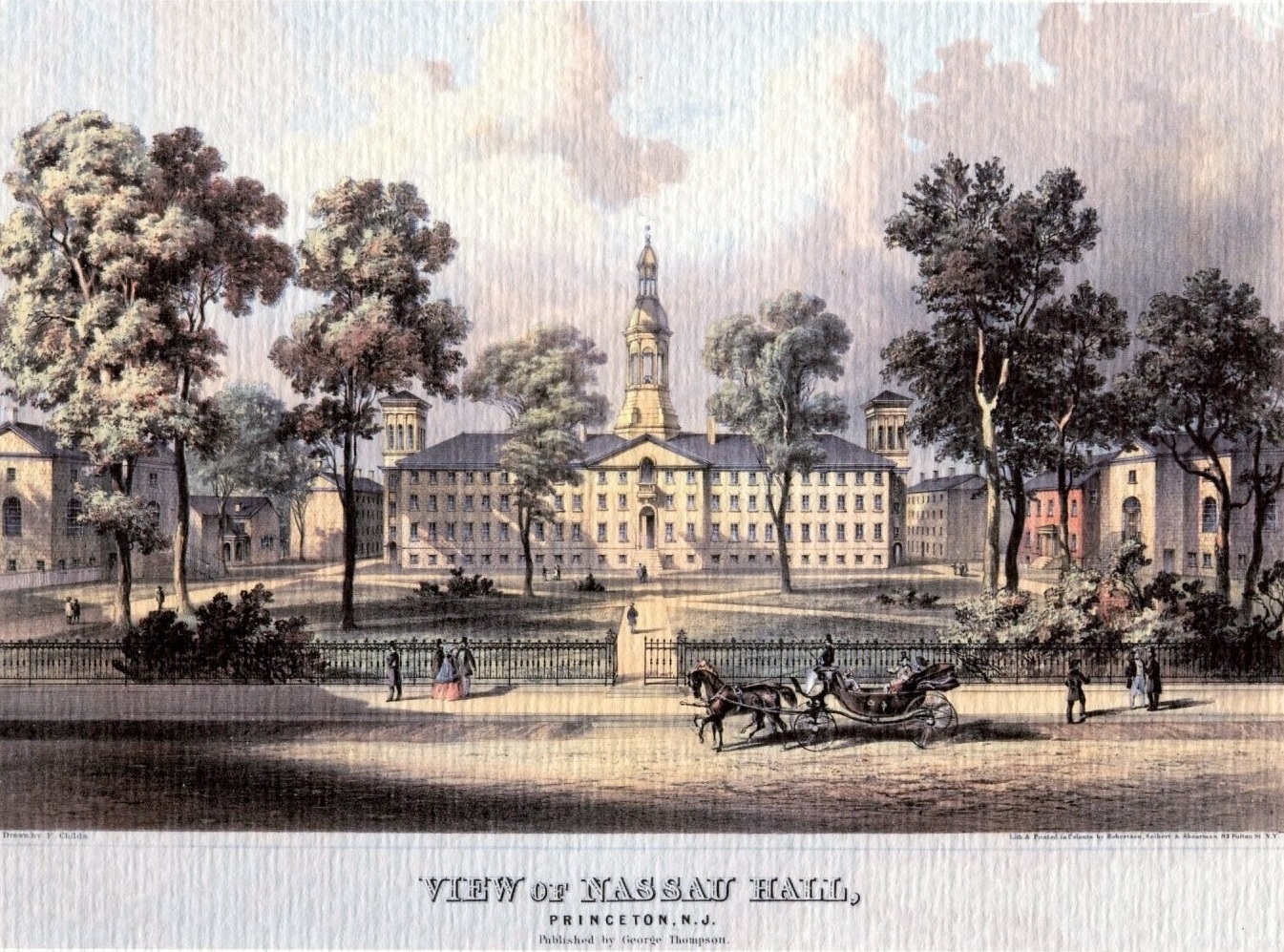 # [University Archives](https://universityarchives.princeton.edu) *This blog includes text and images drawn from historical sources that may contain mat…
- [WEB] https://stacks.stanford.edu/file/druid:xf259xw8228/SC0860_b1_f9.pdf [archived]
Mr. Anthony A. Lapham General COUDsel Central Intelligence Agency Washington, D.C. 20505 Dear Mr. Lapham: November 17, 1977 Thank you for your letter of November 7 concerning public disilosure of the documents related to Stanford and Project MKULTRA. As .1 indicated in my letter …
- [WEB] https://nsarchive.gwu.edu/briefing-book/dnsa-intelligence/2024-12-23/cia-behavior-control-experiments-focus-new-scholarly [archived]
 ## Main navigation # CIA Behavior Control Experiments Focus of New Scholarly Collection  National Security Archive Publishes Key Records on Infa…
- [WEB] https://www.history.com/articles/history-of-mk-ultra [archived]
U.S. History U.S. History All the major chapters in the American story, from Indigenous beginnings to the present day. World History World History History from countries and communities across the globe, including the world’s major wars. Eras & Ages Eras & Ages From prehistory, t…
- [WEB] https://en.wikipedia.org/wiki/MKUltra
   ## Contents # MKUltra | | | | --- | --- | | [icon](/wiki/File:Question_book-new…
- [WEB] https://www.intelligence.senate.gov/wp-content/uploads/2024/08/sites-default-files-hearings-95mkultra.pdf
PROJECT MKIULTRA, THE CIA'S PROGRAM OF RESEARCH IN BEHAVIORAL MODIFICATION JOINT HEARING BEFORE THE SELECT COMMITTEE ON INTELLIGENCE AND THE SUBCOMMITTEE ON HEALTH AND SCIENTIFIC RESEARCH OF THE COMMITTEE ON HUMAN RESOURCES UNITED STATES SENATE NINETY-FIFTH CONGRESS FIRST SESSION…
- [WEB] https://info.publicintelligence.net/SSCI-MKULTRA-1977.pdf [archived]
PROJECT MKULTRA, THE CIA'S PROGRAM OF RESEARCH IN BEHAVIORAL MODIFICATION JOINT HEARING BEFORE TBE SELECT COMMITTEE ON INTELLIGENCE AND TBE SUBCOMMI'ITEE ON HEALTH AND SCIENTIFIC RESEARCH OF TBE COMMITTEE ON HUMA.N RESOURCES UNITED STATES SENATE . NINETY·FIFTH CONGRESS FIRST SESS…
- [WEB] https://nsarchive.gwu.edu/sites/default/files/documents/1963-07-26%20JM%20Box%208%20F2%20MKUltra-IG_Report-ocr.pdf [archived]
----------".'"""'~'""""::;~:::::::PProved for Release: 2019/04/03 C06767515-----------------, i I. " . -~ - . . ,. i : : ,· i ,,, ,_. • :: • . • .• ~ .' ,, • .1 : ~ .. :;.:;. : . . ., <t-. .. - ,. . f.. - ·•- ~ n · -•• r ' . . l .. . . ·t .. ... .. 2~ ~uly 1963 · MEMORANDUM FOR: …
CONNECTIONS
- → DERIVED-FROM Project MKUltra: CIA Behavioral Modification Research Program (1950s–1970s) — This dossier directly investigates a specific aspect (institutional disclosure and IRB involvement) of the broader MKUltra program documented in the main MKUltra dossier.
- → PARALLEL-PATTERN Tuskegee Syphilis Study: Government Medical Experimentation and 1972 Exposure — Both cases involve non-consensual human experimentation by U.S. government agencies and represent breaches of medical ethics that triggered institutional reform in research oversight.
- → SHARES-EVENT MKUltra Victim Count: Exact Numbers of Confirmed Unwitting Subjects — The question of institutional knowledge connects directly to efforts to identify and count confirmed unwitting subjects of MKUltra experiments.
- ← SHARES-ACTOR MKUltra Victims: Documented Psychological Harm, Legal Claims, and Settlements — Both involve institutional complicity in MKUltra; this case focuses on victim outcomes and accountability while the other examines institutional disclosure mechanisms.
- ← SUPPORTS MKUltra Records Destruction by Richard Helms: 1975–1976 Document Inventory and Reconstruction — Institutional records held by universities and medical centers may contain cross-referenced documentation that could reconstruct elements of destroyed CIA files, particularly funding and subject enrollment data.
- ← PARALLEL-PATTERN Operation Paperclip: German Scientists with Weapons Development and Nazi Affiliation—Differential Treatment and Vetting — Both programs involved scientific institutions and personnel with potential wartime or unethical backgrounds, raising similar questions about institutional complicity and disclosure.
- ← PARALLEL-PATTERN USPHS Internal Memos on Tuskegee Study Ethics (1945–1972): Documented Discussion and Justifications — Both cases involve mid-to-late 20th century covert government research on human subjects with institutional complicity; both raise questions about internal ethical oversight and disclosure.
- ← PARALLEL-PATTERN Tuskegee Syphilis Study: Documented Mortality, Causes of Death, and Study Duration (1932–1972) — Both cases involve covert human research by U.S. government agencies, institutional non-disclosure, and subsequent exposure; both raise questions about post-hoc documentation and institutional accountability.
- ← PARALLEL-PATTERN Tuskegee Syphilis Study: Institutional Knowledge and Chain of Command (1932–1972) — Both cases involve federal institutions conducting unethical research with institutional knowledge compartmentalization and delayed disclosure decades after the research ended.
- ← PARALLEL-PATTERN Tuskegee Syphilis Study: Pre-Exposure Physician and Public Health Official Objections — Both cases reveal absence of formal IRB oversight or ethics review during their operational periods (1932-1972 for Tuskegee, 1950s-1970s for MKUltra), a structural void that enabled continuation of ethically questionable research.